Mount Kenya Trekking Guide
Planning to trek Mount Kenya and wondering what to pack? This complete Mount Kenya packing list covers the clothing, footwear, sleeping equipment, daypack essentials, summit-night gear and personal items you need for a safe and comfortable trek.
Mount Kenya Packing List: The Essentials
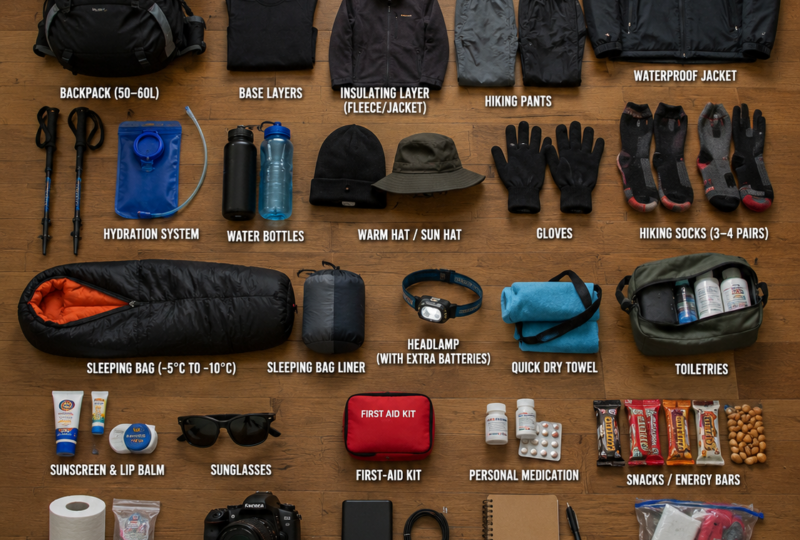
If you are short on time, start with this essential Mount Kenya kit list. You can then use the detailed sections below to build your complete packing list.
- ☐ Comfortable, broken-in hiking boots
- ☐ Moisture-wicking base layers
- ☐ Hiking trousers
- ☐ Fleece or warm mid-layer
- ☐ Insulated/warm jacket
- ☐ Waterproof and windproof jacket
- ☐ Waterproof trousers
- ☐ Warm hat and gloves
- ☐ Hiking socks
- ☐ Warm summit-night clothing
- ☐ 20–35 litre daypack
- ☐ Larger main/porter bag where applicable
- ☐ Warm sleeping bag appropriate to the itinerary
- ☐ Headlamp and spare batteries
- ☐ Water bottles or hydration system
- ☐ Trekking poles
- ☐ Sunglasses
- ☐ Sunscreen and lip balm
- ☐ Personal first-aid supplies
- ☐ Passport, insurance and travel documents
What Should You Pack for Mount Kenya?
Packing for Mount Kenya is different from packing for an ordinary day hike. The mountain takes you through several distinct environments, and conditions can change significantly as you gain elevation.
You may begin your trek in relatively mild conditions and later encounter cold temperatures, strong winds, rain, wet vegetation, exposed terrain and freezing conditions around the summit.
The best approach is therefore not to pack one enormous collection of clothes. Instead, build your kit around a layering system.
Your exact Mount Kenya packing list will also depend on your route, number of trekking days, accommodation style, season, weather conditions and whether you are trekking to Point Lenana or undertaking a technical climb.
What Conditions Should You Expect on Mount Kenya?
Mount Kenya’s altitude means that conditions at the start of your trek can be very different from those you encounter higher on the mountain.
Rather than packing for one temperature, prepare for changing conditions throughout the day.
Lower Slopes
You may experience warmer temperatures, sun, rain and humid conditions depending on the route and weather.
Moorland & Higher Terrain
Temperatures generally become cooler and wind and rain protection become increasingly important.
High Altitude
Cold, wind, intense sunlight and rapidly changing weather make proper layering essential.
Summit Night
A pre-dawn summit attempt can involve particularly cold conditions, so your warmest layers should be easily accessible.
1. Bags & Backpacks for Mount Kenya
Most trekkers benefit from having a smaller daypack for the items they need while hiking and a larger bag for equipment that does not need to be accessed constantly.
| Bag | Typical Size | What Goes Inside |
|---|---|---|
| Daypack | Approximately 20–35L | Water, snacks, waterproof layer, camera, sunscreen, personal items and extra layers. |
| Main bag | Approximately 60–75L | Clothing, sleeping equipment and items you do not need while actively hiking. |
| Dry bags | Several sizes | Clothing, electronics, documents and other items that must remain dry. |
Use Waterproof Protection
A rain cover is useful, but do not rely on it as your only waterproofing. Pack important clothing and electronics inside waterproof liners or dry bags.
2. Mount Kenya Clothing Packing List
The most effective Mount Kenya clothing system uses several layers. This lets you adjust what you are wearing as temperatures, wind and activity levels change.
Base Layers
Your base layer sits next to your skin and should move moisture away from your body while keeping you comfortable.
- ☐ 2–3 moisture-wicking hiking shirts
- ☐ 1–2 thermal base-layer tops
- ☐ Thermal base-layer bottoms
- ☐ Quick-drying underwear
- ☐ Sports bra where applicable
Mid Layers
- ☐ Fleece jacket
- ☐ Warm lightweight mid-layer
- ☐ Insulated jacket or puffy layer
Outer Layers
- ☐ Waterproof hiking jacket
- ☐ Waterproof trousers
- ☐ Wind-resistant outer layer
Hiking Trousers
- ☐ 2 pairs of hiking trousers
- ☐ Optional lightweight thermal leggings
- ☐ Optional comfortable camp trousers
Head, Hands & Neck
- ☐ Sun hat
- ☐ Warm beanie or hat
- ☐ Lightweight liner gloves
- ☐ Warm insulated gloves
- ☐ Buff or neck gaiter
- ☐ Sunglasses
Why Layering Matters
You may feel warm while walking uphill and cold as soon as you stop. A layering system allows you to regulate your temperature without carrying multiple bulky jackets.
3. Hiking Boots & Footwear
Your feet are your most important means of transport on the mountain, so footwear deserves special attention.
Hiking Boots
Choose comfortable hiking boots with appropriate traction, support and weather protection for your planned itinerary.
- ☐ Broken-in hiking boots
- ☐ 3–5 pairs of hiking socks
- ☐ Warm socks for summit night
- ☐ Camp shoes or sandals
- ☐ Gaiters if appropriate for your route and conditions
Test your boots on several walks before the trip. Look for rubbing, pressure points and other problems while you still have time to change footwear.
What About Trainers?
Lightweight shoes can be useful around camp, but they should not automatically replace proper trekking footwear. The right choice depends on your route, weather and individual needs.
4. Sleeping Gear for Mount Kenya
Nights become colder as you gain altitude, so sleeping equipment should be selected for the conditions expected on your specific itinerary.
- ☐ Warm sleeping bag appropriate for your itinerary
- ☐ Sleeping bag liner
- ☐ Sleeping mat if camping
- ☐ Compact camping pillow or pillowcase
- ☐ Dry sleep clothes
Sleeping Bag: What Should You Consider?
Do not choose a sleeping bag simply because it is labelled “warm.” Check the manufacturer’s temperature ratings and compare them with the expected conditions of your itinerary.
If your trekking company provides or rents sleeping equipment, confirm the specification before deciding what you need to bring.
5. Mount Kenya Summit Night Packing List
Summit night requires special preparation. Many trekkers begin their summit attempt before sunrise, when temperatures can be particularly cold.
Do not wait until the morning of your summit attempt to search through your main luggage. Prepare this equipment beforehand.
What to Wear
- ☐ Thermal base layer
- ☐ Warm mid-layer
- ☐ Insulated jacket
- ☐ Waterproof/windproof outer layer
- ☐ Warm trousers or appropriate trekking layers
- ☐ Warm hiking socks
- ☐ Warm hat
- ☐ Gloves
- ☐ Comfortable hiking boots
What to Carry
- ☐ Headlamp
- ☐ Spare batteries or charged backup
- ☐ Water
- ☐ High-energy snacks
- ☐ Sunglasses
- ☐ Sunscreen
- ☐ Phone/camera
- ☐ Personal medication
6. Water & Hydration
Staying hydrated is an important part of preparing for a high-altitude trek. Carry enough water for the hiking period specified by your guide and follow your trekking team’s advice on water sources and treatment.
- ☐ Reusable water bottles
- ☐ Hydration bladder if preferred
- ☐ Insulated flask for hot drinks
- ☐ Water purification method where required
Protect Your Water From Freezing
During very cold summit conditions, exposed water can become difficult to use. Ask your guide about the best way to carry and protect your water during your particular summit attempt.
7. Snacks & Trekking Nutrition
Your trekking operator may provide meals, but personal snacks can be useful for maintaining energy during the day and summit attempt.
Useful Trekking Snacks
- ☐ Energy bars
- ☐ Nuts and trail mix
- ☐ Dried fruit
- ☐ Chocolate
- ☐ Biscuits or crackers
- ☐ Other familiar high-energy foods
Choose foods that you already know you tolerate well during exercise. The mountain is not the ideal place to discover that a particular food does not agree with you.
8. Toiletries & Personal Items
Keep toiletries small and practical. You do not need to carry your entire bathroom cabinet onto the mountain.
- ☐ Toothbrush
- ☐ Small toothpaste
- ☐ Biodegradable wet wipes
- ☐ Toilet paper/tissues
- ☐ Hand sanitizer
- ☐ Small quick-dry towel
- ☐ Sunscreen
- ☐ SPF lip balm
- ☐ Personal hygiene products
- ☐ Personal medication
Documents
- ☐ Passport
- ☐ Travel insurance details
- ☐ Emergency contact information
- ☐ Trekking booking information
- ☐ Copies of important documents
9. First Aid & Safety Equipment
Your guide and trekking team should have appropriate safety procedures, but you should still carry personal essentials.
- ☐ Small personal first-aid kit
- ☐ Plasters
- ☐ Blister treatment
- ☐ Personal prescription medication
- ☐ Rehydration supplies
- ☐ Personal emergency contacts
- ☐ Hand sanitizer
Altitude & Your Health
Mount Kenya is a high-altitude environment. Talk to a qualified healthcare professional before your trip about your individual health, altitude risks and any medication you may need.
If you feel unwell during the trek, tell your guide rather than trying to hide symptoms and continue.
10. Electronics & Photography
Keep electronics protected from rain, dust and cold conditions. A simple waterproof pouch can be extremely useful.
- ☐ Mobile phone
- ☐ Power bank
- ☐ Charging cables
- ☐ Camera
- ☐ Spare camera batteries
- ☐ Headlamp
- ☐ Waterproof electronics pouch
11. Mount Kenya Packing List by Route
The core Mount Kenya kit list remains similar regardless of route, but the terrain, itinerary and weather exposure can change what you find most useful.
Sirimon Route
If you are trekking Mount Kenya via Sirimon, pay particular attention to sun protection, warm layers and protection from wind and changing high-altitude conditions.
Prioritize:
- Warm layers
- Waterproof outer layer
- Sun hat and sunglasses
- Sunscreen
- Comfortable hiking boots
- Headlamp for summit night
Chogoria Route
For the Chogoria side of Mount Kenya, waterproof protection and keeping clothing dry can be particularly important depending on current trail and weather conditions.
Prioritize:
- Waterproof jacket
- Waterproof trousers
- Dry bags
- Gaiters where appropriate
- Good hiking boots
- Extra socks
Naro Moru Route
Trekkers using the Naro Moru route should prepare for changing trail conditions and ensure they have appropriate footwear, waterproof protection and reliable traction.
Prioritize:
- Sturdy hiking boots
- Waterproof protection
- Gaiters where useful
- Trekking poles
- Extra socks
Important: Route conditions can vary with weather and season. Use your guide’s current advice when making final equipment decisions.
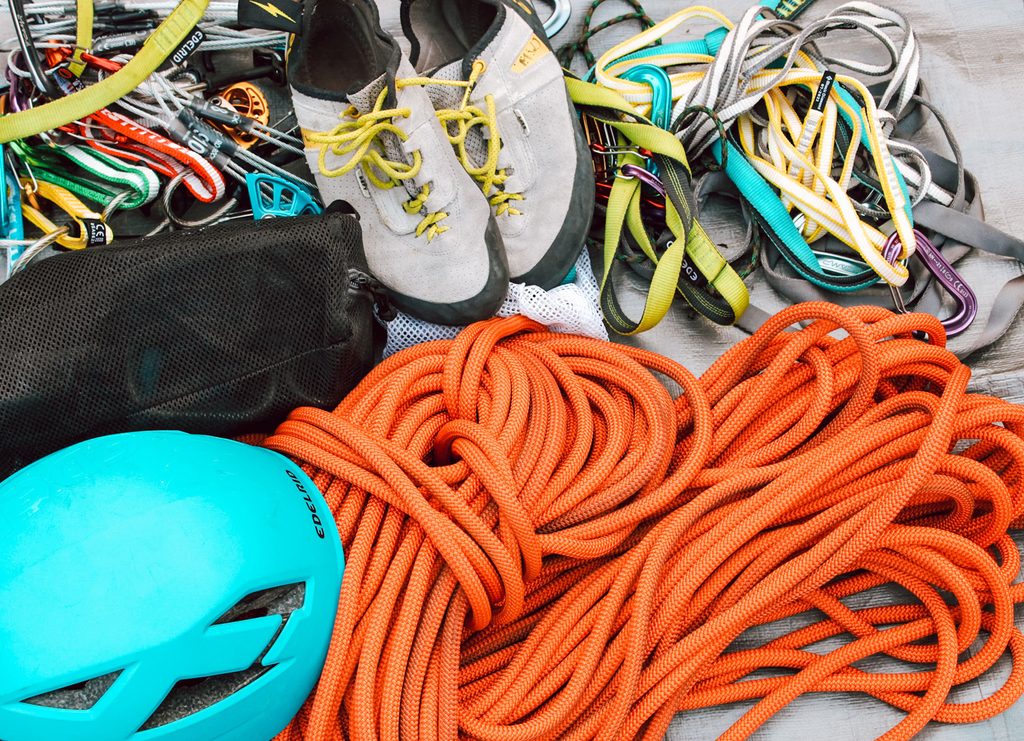
12. Do You Need Technical Climbing Gear on Mount Kenya?
Not every Mount Kenya trek is a technical climbing expedition. A trekking ascent to Point Lenana is very different from a technical ascent of Batian or Nelion.
If your itinerary involves technical climbing, your equipment requirements may be substantially different and can include specialist climbing equipment.
Do not purchase or pack technical climbing equipment based on a generic internet checklist. Confirm the exact requirements with your qualified climbing guide or operator.
13. What NOT to Pack for Mount Kenya
Good packing is not just about deciding what to bring. It is also about leaving unnecessary weight behind.
- ❌ Brand-new hiking boots
- ❌ Large amounts of cotton clothing
- ❌ Excessive toiletries
- ❌ Multiple heavy jackets that perform the same job
- ❌ Unnecessary electronics
- ❌ Excessive duplicate clothing
- ❌ Technical climbing equipment you do not need
- ❌ Heavy items you have no clear reason to carry
The Golden Rule
Before putting something in your bag, ask: “Will I actually use this on the mountain?”
14. How to Pack Your Backpack for Mount Kenya
How you organize your bag matters almost as much as what you put inside it.
-
Keep frequently used items accessible.
Put water, snacks, sunscreen, sunglasses and your waterproof jacket somewhere you can reach quickly.
-
Protect clothing from rain.
Use waterproof liners or dry bags rather than relying entirely on your backpack’s rain cover.
-
Separate wet and dry equipment.
Keep wet clothing away from your dry sleeping clothes and spare layers.
-
Pack your summit-night kit separately.
Know exactly where your warm layers, headlamp, gloves, water and snacks are before summit night.
-
Test your backpack before departure.
Go for several training hikes carrying the equipment you expect to use on the actual trek.
Mount Kenya Packing FAQs
Do I need to rent gear in Kenya or bring everything from home?
Many core items like sleeping bags, trekking poles, and warm jackets can be rented locally in Nairobi or at the park gates through your tour operator. However, it is always recommended to bring your own broken-in hiking boots and personal base layers from home for comfort and fit.
How much weight are porters allowed to carry?
On Mount Kenya, porter bag weight limits typically range between 15 kg to 20 kg (approx. 33 to 44 lbs) per bag, depending on park regulations and your operator. You will carry your own daypack containing your daily essentials.
Are trekking poles strictly necessary for Mount Kenya?
While not strictly mandatory, trekking poles are highly recommended. They save your knees significantly during steep descents, especially on scree-heavy paths like those near Point Lenana or parts of the Naro Moru route.
How should I protect my electronics from the cold?
Lithium-ion batteries drain rapidly in cold high-altitude conditions (especially overnight and on summit night). Keep your phone, camera, and power banks close to your body inside your jacket layers during the day, and sleep with them inside your sleeping bag at night.
Can I wear jeans or cotton clothing on the mountain?
No, avoid cotton completely. Cotton absorbs moisture (sweat or rain) and holds it against your skin, causing you to chill rapidly. Stick entirely to synthetic materials or merino wool that wick moisture away quickly.
What is the weather like on Mount Kenya during different seasons?
Mount Kenya can experience rain and mist during the wet seasons (typically April–May and November), while the drier months (January–February and July–September) offer clearer skies. Regardless of the season, morning temperatures at high altitudes frequently drop below freezing.